 Inconnu
Analysis
Inconnu
Analysis
06/30/2015
Rony Brauman
Le texte ci-dessous est la transcription d'une intervention donnée dans le cadre du colloque « L'Ingérence », organisé par la Fondation Res Publica le 19 janvier 2015.
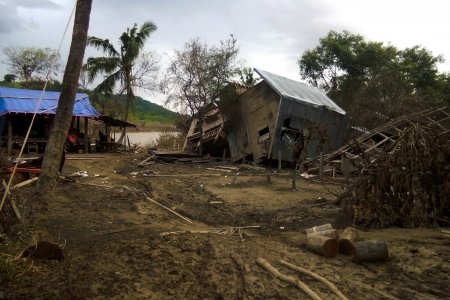
Cette conférence porte exclusivement sur des interventions armées menées contre la volonté de l'Etat du pays concerné, qu'elles aient été seulement promues sans voir le jour (Birmanie, Darfour) ou qu'elles aient eu lieu (Kosovo, Irak, Libye).
 Luca Visone
Analysis
Luca Visone
Analysis
04/20/2015
Eleanor Davey
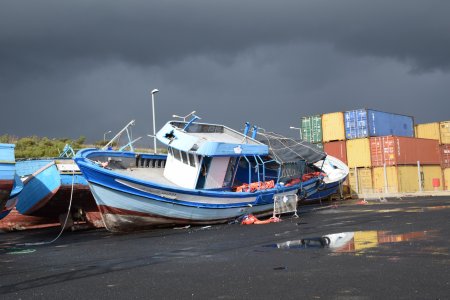
This post tells of the 'Boat for the Vietnam' episode, the MSF Search and Rescue operations to be launched in the Mediterranean and the notable absence of the Australian section of MSF from any debate on refugee policy in that country.
 Analysis
02/20/2015
Jean-Hervé Bradol
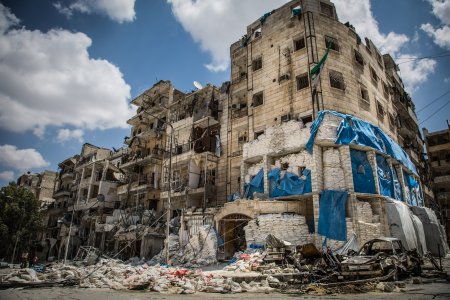
How to intervene with the civilian populations in the middle of the war in Syria? Jean-Hervé Bradol, director of studies at Crash and former project coordinator for the northern part of Syria in 2013, testifies about the negotiations carried out in Syria in cities taken by groups affiliated to Al Qaeda or the Islamic State. This article was published on the Mediapart website on February 1, 2015.
 Francesco Zizola
Analysis
Francesco Zizola
Analysis
01/30/2015
Fabrice Weissman
This article is an English translation of an interview of Fabrice Weissman about the State of the Humanitarian Sector, in Revue Internationale et Stratégique (n°98, 2015/2) published by the Institut de Relations Internationales et Stratégiques
 Analysis
07/03/2014
Rony Brauman
Michaël Neuman
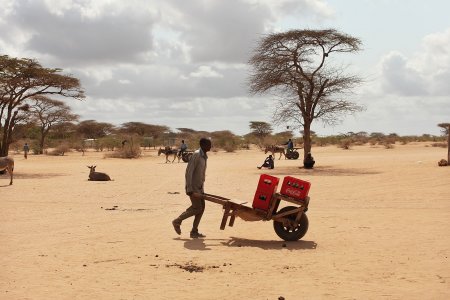
We often hear it said within MSF that the aid system is unable to provide effective relief, or that the aid system’s ability to provide aid is in decline. These statements, which suggest that MSF is itself outside the "system", are based on the very real number of people in relief operations who need help but do not receive it, or do not receive enough of it.
 Spencer Platt
Analysis
Spencer Platt
Analysis
07/03/2014
Michaël Neuman
Rony Brauman
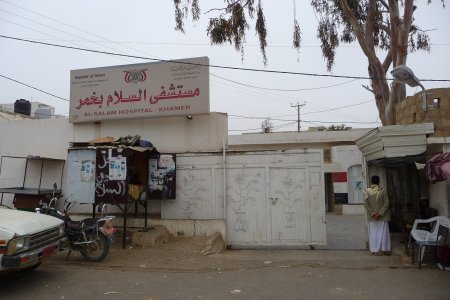
We often hear it said within MSF that the aid system is unable to provide effective relief, or that the aid system's ability to provide aid is in decline. Rony Brauman and Michaël Neuman aim at exploring MSF's relationship with the aid system, while showing how the ambitions of the aid system itself have evolved.
 Malak Shaher
Analysis
Malak Shaher
Analysis
02/19/2014
Michaël Neuman
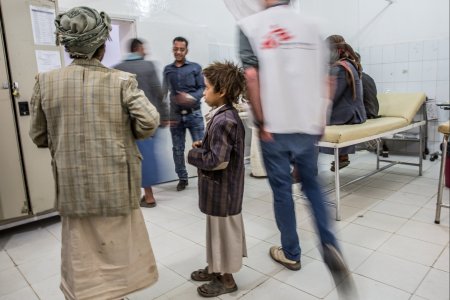
The paper explores the security incidents affecting medical humanitarian work in Yemen and the ways MSF as well as other health practitioners try to securitize their staff, facilities, patients. This reflection was born out of the high number of security incidents affecting MSF in the past three years.
 Agnes Varraine-Leca/MSF
Analysis
Agnes Varraine-Leca/MSF
Analysis
02/19/2014
Michaël Neuman
Le Journal of Humanitarian Assistance vient de publier un article de Michaël Neuman "No patients, no problems:" Exposure to risk of medical personnel working in MSF projects in Yemen's governorate of Amran. Cet article est le produit d'une enquête lancée en mars 2013 afin de mieux comprendre les formes diverses d'insécurité affectant les projets de Médecins sans Frontières au Yémen, ainsi que les mécanismes d'adaptations de l'organisation et des professionnels de santé.
 MSF
Analysis
MSF
Analysis
01/01/2014
Caroline Izambert
L'article « Les limites de l'universel. L'accès des sans-papiers à une couverture maladie en France depuis 1999 » a été publié en 2014 dans Les Cahiers du Centre Georges Canguilhem (N° 6), pages 199 à 215. Caroline Izambert répond à la question : comment l’ordre symbolique de la politique d’immigration a-t-il conduit à la mise en scène du traitement différencié des personnes en situation irrégulière, parfois au mépris de la rationalité bureaucratique et économique revendiquée par les responsables politiques en matière de gestion de l’État social ?
 Brendan Bannon
Analysis
Brendan Bannon
Analysis
10/30/2013
Jean-Hervé Bradol
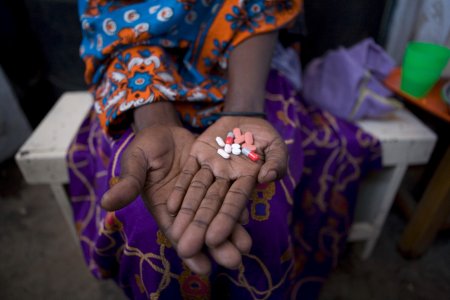
The Drugs for Neglected Diseases initiative (DNDi) and other researchers, including MSF-Crash Dr. Jean Hervé Bradol, report a persistent deficiency in truly new therapeutics for neglected diseases, despite nominal progress and an acceleration in research and development (R&D) efforts.
 Pierre-Yves Bernard
Analysis
Pierre-Yves Bernard
Analysis
10/23/2013
Claire Magone
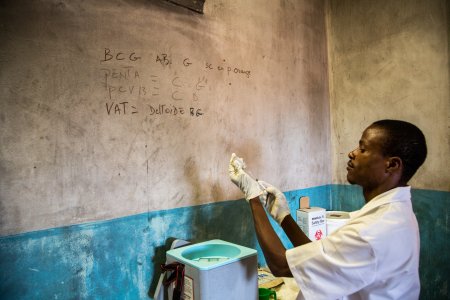
L'éradication totale de la poliomyélite est-elle un but raisonnable ? Dans un article paru sur La vie des idées, Claire Magone décompte les effets pervers d'une campagne qui n'a plus d'autre fin qu'elle-même et risque de porter préjudice à d'autres enjeux de santé mondiale.
Pierre-Yves Bernard
Analysis
10/22/2013
Claire Magone
In the 1980s, a global commitment was made to eradicate polio in the wake of the eradication of smallpox. As far as the world health community was concerned, this successful experience made it an example model on which to base future campaigns against infectious diseases.