
OFF THE CUFF is a participative blog run by the Crash. Its purpose is to expose the diversity of experiences and opinions that exist among humanitarian aid practitioners. Online comments as well as direct contributions are more than welcome.
Views expressed on this blog are those of their authors and do not necessarily reflect the official positions of Médecins Sans Frontières
Risk Management and Humanitarian aid : an impossible marriage?
Humanitarian Affairs Advisor for the Canadian section of MSF, Clémentine Olivier reviews a recently published OCHA report 'Saving Lives Today and Tomorrow' (March 2014).
Debate : The limits of humanitarianism in Gaza
A few days after the start of the operation 'Protective edge', Jonathan Whittall, Head of Humanitarian Analysis at MSF posted an opinion in which he questions MSF's role in Gaza. Michaël Neuman, Director of research at MSF Crash responds.
The Poverty of Humanitarian Critique?
While MSF has just recently launched a report, 'Where is everyone?', aiming at exposing the limitations and deficiencies of the international aid response to crises, Bertrand Taithe (HCRI) asks whether the approach taken and the question asked are the right ones.
MSF and the aid system: choosing not to choose
We often hear it said within MSF that the aid system is unable to provide effective relief, or that the aid system's ability to provide aid is in decline. Rony Brauman and Michaël Neuman aim at exploring MSF's relationship with the aid system, while showing how the ambitions of the aid system itself have evolved.
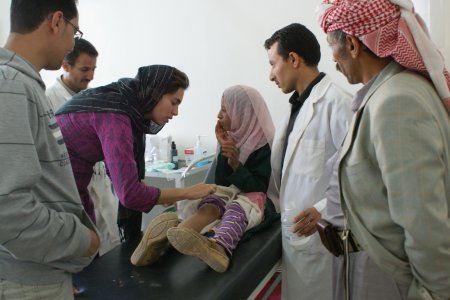
Managing the risks to medical personnel working in MSF projects in Yemen
Michaël Neuman has just published paper, in Humanitarian Exchange Magazine focusing on the exposure to risk for medical personnel working in MSF projects in Yemen.
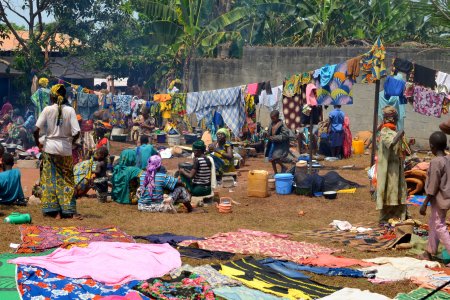
Central African Republic: Questions around a forced exodus
For a few months now, the world's response to the organized expulsion of the Muslim community out of the Central African Republic (CAR) can best be described as strikingly mute.
Le génocide au Rwanda raconté par un humanitaire français
Cet entretien a été réalisé par Hélène Sallon et publié dans le Journal Le Monde le 7 avril 2014.
Collecting data on sexual violence: what do we need to know? The case of MSF in the Democratic Republic of Congo
Claire Magone has just published a paper, in Humanitarian Exchange Magazine #60 focusing on gender-based violence (GBV) in humanitarian crises.
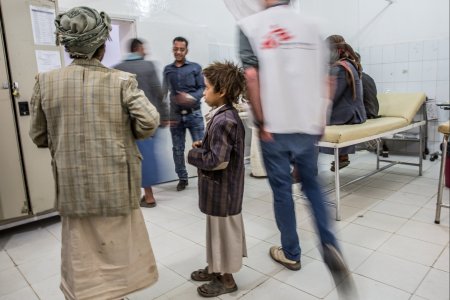
“No patients, no problems” : Exposure to risk of medical personnel working in MSF projects in Yemen’s governorate of Amran
Le Journal of Humanitarian Assistance vient de publier un article de Michaël Neuman "No patients, no problems:" Exposure to risk of medical personnel working in MSF projects in Yemen's governorate of Amran. Cet article est le produit d'une enquête lancée en mars 2013 afin de mieux comprendre les formes diverses d'insécurité affectant les projets de Médecins sans Frontières au Yémen, ainsi que les mécanismes d'adaptations de l'organisation et des professionnels de santé.
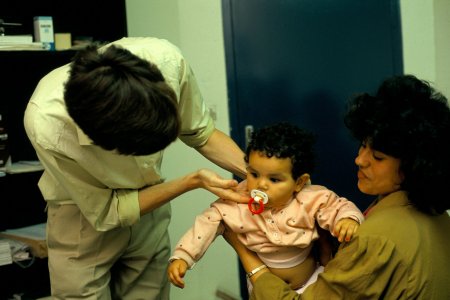
Les limites de l'universel. L'accès des sans-papiers à une couverture maladie en France depuis 1999
L'article « Les limites de l'universel. L'accès des sans-papiers à une couverture maladie en France depuis 1999 » a été publié en 2014 dans Les Cahiers du Centre Georges Canguilhem (N° 6), pages 199 à 215. Caroline Izambert répond à la question : comment l’ordre symbolique de la politique d’immigration a-t-il conduit à la mise en scène du traitement différencié des personnes en situation irrégulière, parfois au mépris de la rationalité bureaucratique et économique revendiquée par les responsables politiques en matière de gestion de l’État social ?
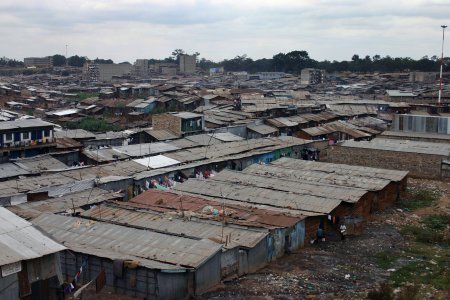
The security debate: restricting one’s individual freedom?
John Tucker exposes his opinion of some aspects of MSF security management in the Kenyan capital. In particular, he asks: how to balance the benefits of a lower exposure to risks and the issues raised by the restrictions to one's individual freedom.
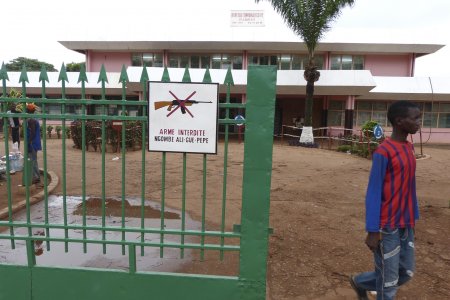
République centrafricaine : où est passée la "R2P"?
Rony Brauman revient sur la notion de « responsabilité de protéger » dans le cadre de la résolution 2127 adoptée le 5 décembre 2013 par le Conseil de sécurité des Nations unies, et qui concerne les forces françaises en RCA.