
OFF THE CUFF is a participative blog run by the Crash. Its purpose is to expose the diversity of experiences and opinions that exist among humanitarian aid practitioners. Online comments as well as direct contributions are more than welcome.
Views expressed on this blog are those of their authors and do not necessarily reflect the official positions of Médecins Sans Frontières
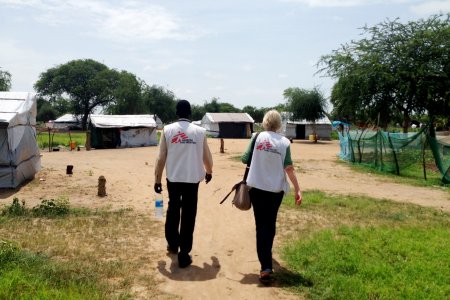
Perspectives on the future of humanitarian action
On the occasion of the 150th anniversary of the ICRC (1863-2013) and in light of the recently launched issue of the Review on "The future of humanitarian action", the Harvard Program on Humanitarian Policy and Conflict Research (HPCR) and the International Review of the Red Cross are pleased to co-host a Live Web Seminar on the topic: "Perspectives on the Future of Humanitarian Action"...
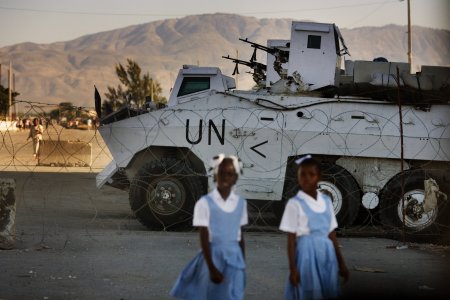
Three questions to Fabrice Weissman on current humanitarian challenges
What are your tangible suggestions for improving negotiations with Syrian government for cross border access, and why do you believe that greater pressure from OCHA and ICRC would yield results?
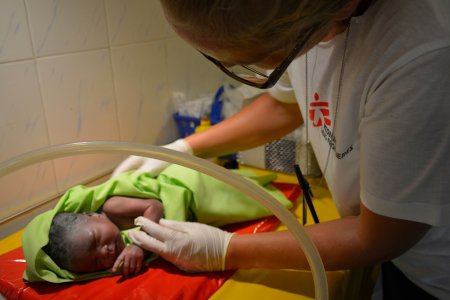
My Enemy’s Doctor Is My Enemy
What do the Syrian National Coalition, a foreign jihadi group, a Gulf State and the Iranian and American governments all have in common?
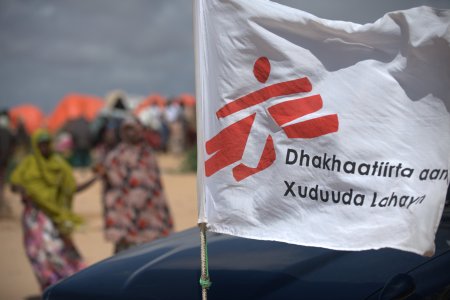
Remote management in Somalia
Discussions on the merits of remote control management of humanitarian projects have been particularly intense over the last few years. We are pleased to share this contribution published in Humanitarian Exchange Magazine by Joe Belliveau, the operational manager for Somalia in the Dutch section of our organisation.
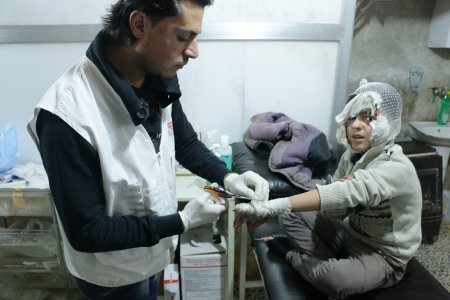
Syria: "Health facilities have become part of the war zone"
In June, MSF opened a hospital in the Idlib region in northern Syria, an area under rebel control. Located behind the front lines, the hospital has 15 beds and a staff of approximately 50, including 10 international MSF workers.
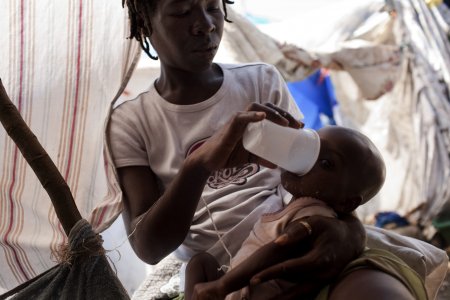
L’amélioration de l’accès à l’eau potable, composante clef de la lutte contre la malnutrition
Dans la lignée des questions soulevées par l'atelier "L'eau humanitaire est-elle potable ?", nous signalons la publication d'une enquête de MSF Belgique, confirmant l'importance de l'approvisionnement des familles en eau dans les programmes ambulatoires de lutte contre la malnutrition.
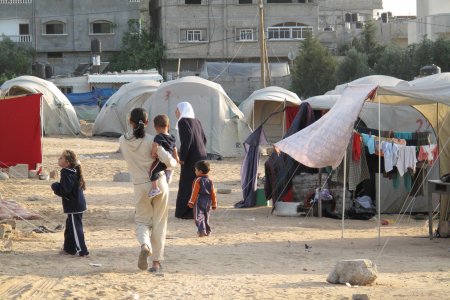
Gaza: Alive, but slimmer
Last October, the Israeli Minister of Defence resolved under judicial order to declassify documents dating from January 2008. These archives contain the implementation details of the embargo imposed on Gaza in 2007.
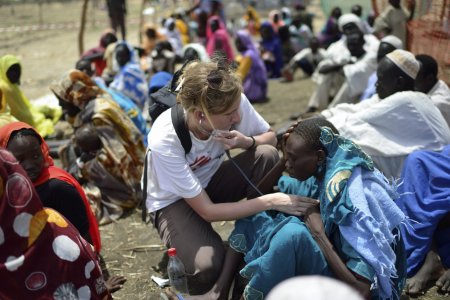
MSF and economy-generated environmental disasters
John Pringle suggests that MSF, when tackling economy-generated environmental disasters, should not hesitate to question the ‘forces that deny our patients the societal determinants of health'.
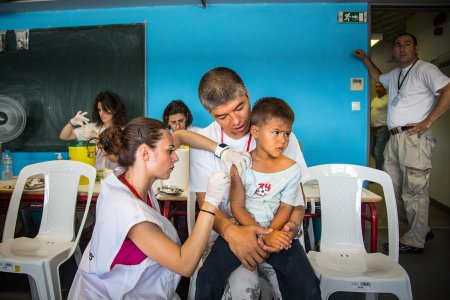
PHAP Hosts Discussion on the Challenges and Compromises of Humanitarian Access
On 19th of September, PHAP hosted a discussion on the compromises and negotiations the humanitarian aid community must contend with during crisis situations with Michael Neuman and Antonio Donini.
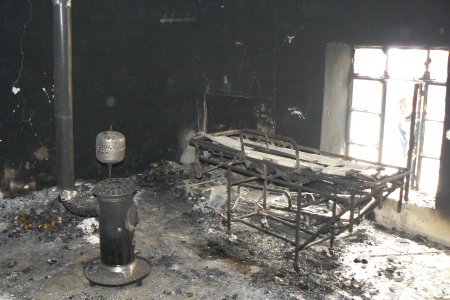
Jean-Hervé Bradol: "In Syria, delivering aid is expensive, low-impact and highly frustrating".
Jean-Hervé Bradol has just returned from an exploratory mission in northern Syria. He is interviewed by La Croix.
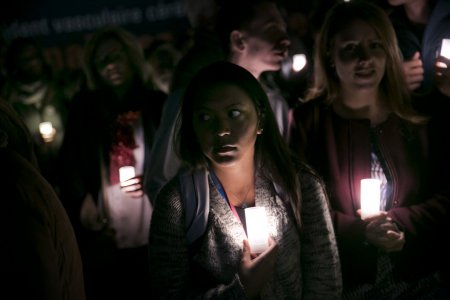
Massacre of 17 Action Contre la Faim employees in Sri Lanka: demand justice or reveal the truth?
On 4th August 2006, 17 Sri Lankans working for Action Contre la Faim were executed inside their own compound, the same day Sri Lankan government forces reclaimed control of the town of Muttur.
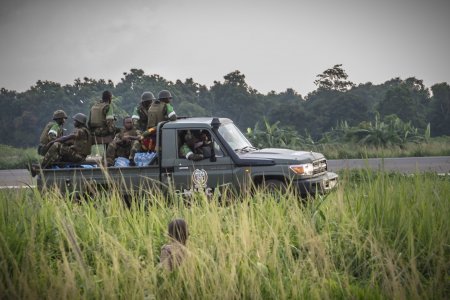
Un homme de guerres et d’affaires en Afrique centrale
Bosco Ntaganda n'est pas un inconnu. Il ne l'est pas pour la Cour pénale internationale qui a délivré deux mandats d'arrêt contre lui: d'abord en 2006, puis une seconde fois le 13 juillet 2012.