
OFF THE CUFF is a participative blog run by the Crash. Its purpose is to expose the diversity of experiences and opinions that exist among humanitarian aid practitioners. Online comments as well as direct contributions are more than welcome.
Views expressed on this blog are those of their authors and do not necessarily reflect the official positions of Médecins Sans Frontières
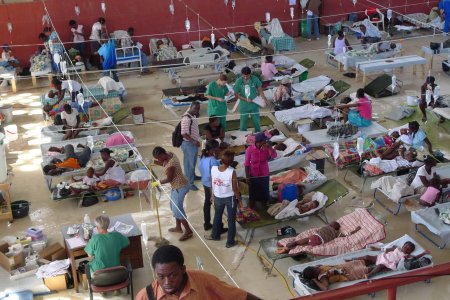
Haïti: l’ONU va-t-elle indemniser les victimes de l’épidémie de choléra ?
Entretien avec Françoise Bouchet-Saulnier, directrice juridique de MSF
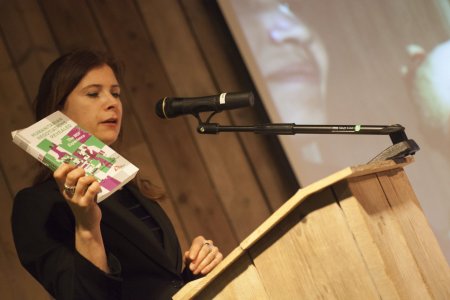
Negotiating Humanitarian Access: How Far to Compromise to Deliver Aid
On January 26, the Brookings-LSE Project on Internal Displacement and Doctors Without Borders/Médecins Sans Frontières (MSF) hosted a discussion on the compromises and negotiations the humanitarian aid community must contend with during crisis situations.
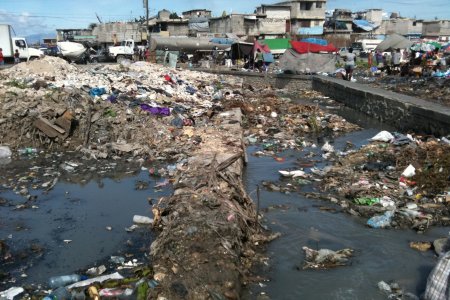
The origin of cholera in Haiti: the culprit has been found!
Two scientific studies published last year confirmed the origin of the cholera epidemic that struck Haiti in October 2010. It was indeed caused by massive amounts of the bacterium Vibrio cholerae in the Artibonite river delta, originating from the sewage in the Minustah soldiers' camp.
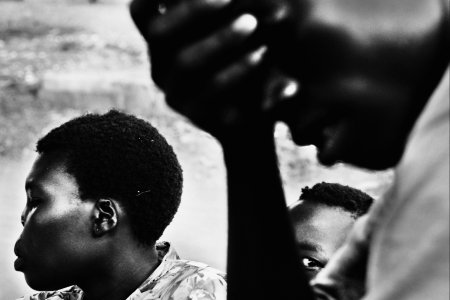
Follow-up to "Wartime rapes: men, too"
In "Wartime rapes: men, too", I discussed an article, "The rape of men", by Will Storr published in The Observer on 17 July 2011.
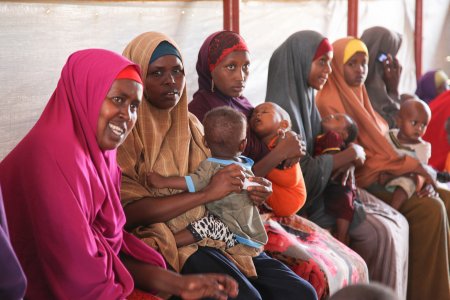
Horn of Africa: the weaknesses of a controversial operation
In a report titled "A Dangerous Delay", Oxfam and Save the Children rebuke everyone - governments, humanitarian organisations, the United Nations - who participated in the humanitarian response to the food crisis that struck the Horn of Africa in recent months.
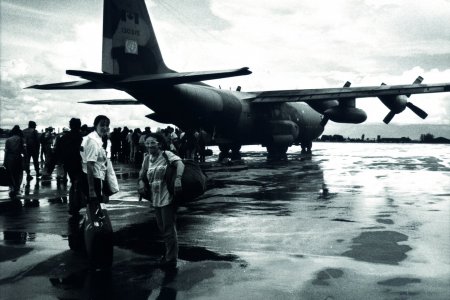
Rwanda: un rapport balistique qui fait péter les plombs
L'expertise balistique au sujet de l'attentat commis en 1994 contre l'avion qui ramenait à Kigali les présidents du Rwanda et du Burundi a provoqué de nombreux commentaires dans la presse, actant comme Le Monde d'une «vérité à la portée historique et diplomatique».
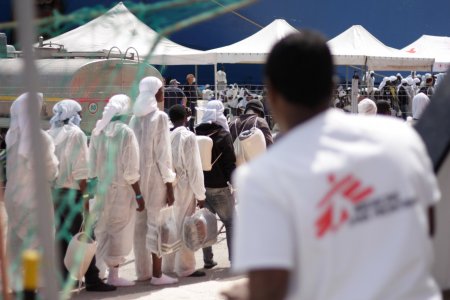
Médecins Sans Frontières, dans les tourments de quarante ans d’histoire
Au delà de ses principes apparemment intangibles d'indépendance et d'une image qui confine à l'angélisme, l'histoire de MSF est celle de son temps et de multiples partis pris souvent contradictoires et paradoxaux.
Wartime rapes: men, too
Since the beginning of the 2000s, a number of English-language researchers have regularly asked the following question: why do international aid organisations pay so little attention to rapes of men and boys committed during armed conflicts?
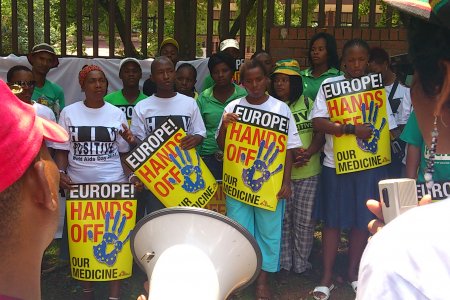
Humanitarian Negotiations revealed: the MSF experience
From international NGOs to UN agencies, from donors to observers of humanitarianism, opinion is unanimous: in a context of the alleged ‘clash of civilisations', our ‘humanitarian space' is shrinking.
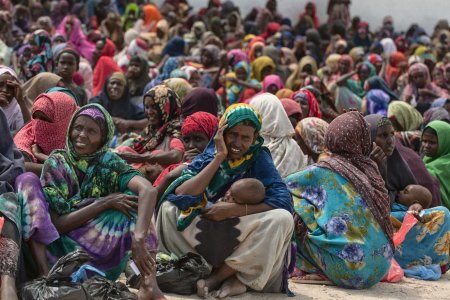
Somalia and the International Status Quo in Refugee Management: When is the right time to say the big F word?
Humanitarian assistance has become entangled with migration and security agendas. Indeed, most humanitarian assistance in Somalia and in refugee camps is subordinated and in support of these two agendas.
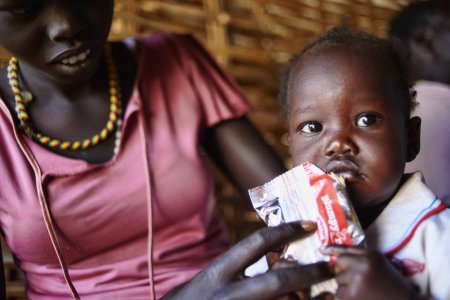
If you have to starve to death, better to do it in a war-torn country
For the past several months, news about food shortages and famines affecting large segments of the East African population have been fueling donation appeals from major public and private aid organizations.
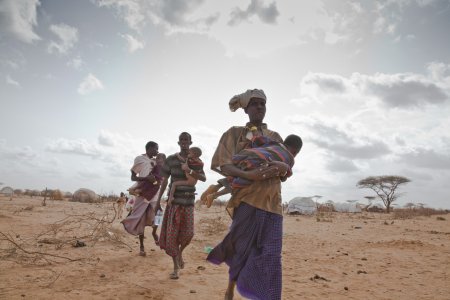
When the United Nations cry wolf
The United Nations announces a famine and that 12.4 million people are threatened by drought in the Horn of Africa. Radio and television repeatedly broadcast an appeal for donations to UNICEF, brandishing disturbing figures.