 Julie Remy
Analysis
Julie Remy
Analysis
03/16/2010
Jean-Hervé Bradol
Emotions generated by the brutal and murderous character of a natural disaster are not calmed by the feeling that the victims bear a certain responsibility for the origins of the drama.
 Virginie Nguyen Hoang/HUMA
Conference
Virginie Nguyen Hoang/HUMA
Conference
02/18/2010 - 07:00 PM 09:00 PM
Nicolas Dodier
The emergency and constraints of certain catastrophes force MSF teams to medical and operational audacity. To take new paths or stray away from official protocols is to run the risk of doing things less well, of perhaps doing harm and dilapidating resources...
 Nick Owen
Cahier
Nick Owen
Cahier
01/10/2010
Jean-Hervé Jézéquel
Camille Perreand
This study started out looking at the shift to a post-conflict situation in Katanga; the intention was to describe how MSF’s sections negotiated the transition from war to post-war.
 Alex Yallop
Interview
Alex Yallop
Interview
12/15/2009
Rony Brauman
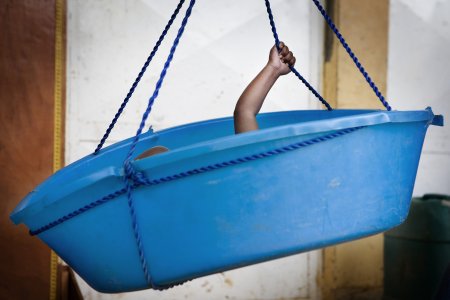
Dans cet entretien avec le journal Libération, Rony Brauman s'explique sur la supposée discrétion des humanitaires ainsi que sur les enjeux de leur légitimité.
 Robin Utrecht
Opinion
Robin Utrecht
Opinion
07/29/2009
Jean-Hervé Jézéquel
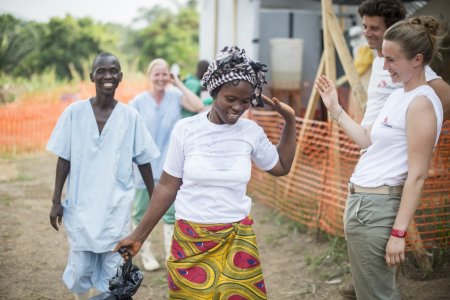
In 2008, Southern Ethiopia was the epicentre of a vast nutritional intervention: more than 100,000 malnourished children received assistance from a mix of actors including both international actors and local health facilities.
 Sylvain Cherkaoui
Analysis
Sylvain Cherkaoui
Analysis
01/01/2009
Rony Brauman
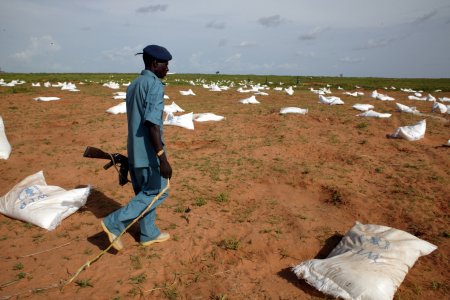
Certaines catastrophes soulèvent moins d'émotions que d'autres, et les vies de ces victimes sont tout aussi précieuses à sauver. L'institution humanitaire sert à pallier cette diversité des émotions.
 Michael Zumstein
Opinion
Michael Zumstein
Opinion
10/01/2008
Fabrice Weissman
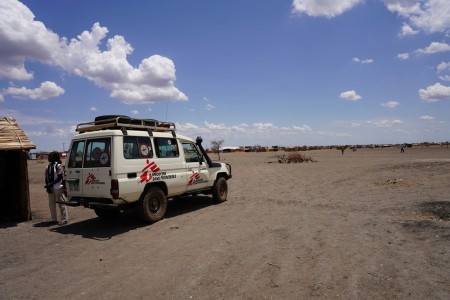
Fabrice Weissman réagit à la décision du Programme Alimentaire Mondial des Nations-Unies de distinguer déplacés et migrants économiques pour enrayer l'afflux de nouveaux arrivants dans les camps du Darfour.
 Analysis
07/01/2008
Fabrice Weissman
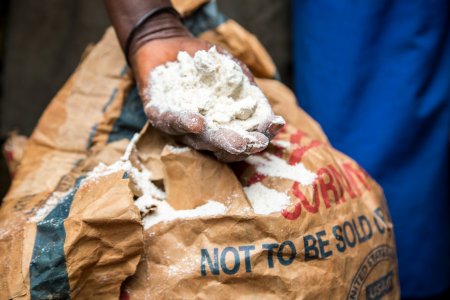
With 13,000 humanitarian workers and a hundred relief agencies, Darfur hosts the largest humanitarian operation in the world. The aid apparatus started its full deployment in mid-2004 in a context of acutely high mortality among internally displaced persons (IDPs) gathered in camps and civilians remaining in rural areas.
 Louise Annaud
Cahier
Louise Annaud
Cahier
05/15/2008
François Enten
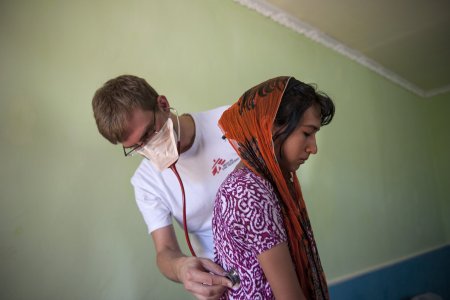
This study sheds light on the mechanisms producing the official data used by humanitarian aid decision makers. It views Early Warning Systems (EWS) as tools that facilitate consensus between the decision-makers involved in the allocation of food aid, enabling them to reach institutional agreements.
 Wendy Marijnissen
Analysis
Wendy Marijnissen
Analysis
05/12/2007
Marc Le Pape
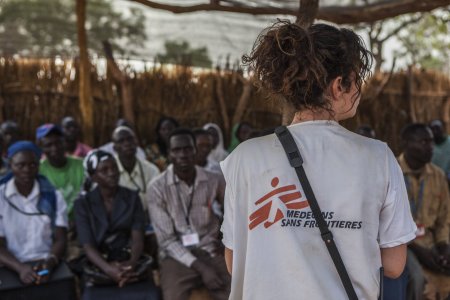
Marc Le Pape étudie la complexité des actions médicales humanitaires en zones de conflit à partir des exemples d'opérations conduites par MSF en RDC (Nord-Kivu, Ituri) et en Côte d'Ivoire (Bouaké).
 Yann Libessart
Cahier
Yann Libessart
Cahier
01/01/2007
Xavier Crombé
This Cahier du CRASH by Xavier Crombé combines a study of the experience and positions of MSF vis-à-vis occupation contexts since the 1980s, and the minutes of a talk organised by the 'Fondation MSF' in January 2006 on "Humanitarian action in situations of occupation".
 Larry Towell
Analysis
Larry Towell
Analysis
11/21/2006
Rony Brauman
Rony Brauman reviews the myths and mechanisms governing the deployment of international aid following the Southeast Asian tsunami in December 2004.