 Tadeu Andre/MSF
Cahier
Tadeu Andre/MSF
Cahier
05/26/2023
Michaël Neuman
Natalie Roberts
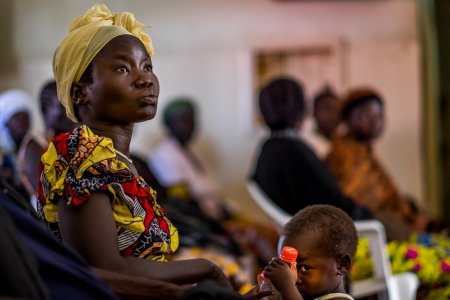
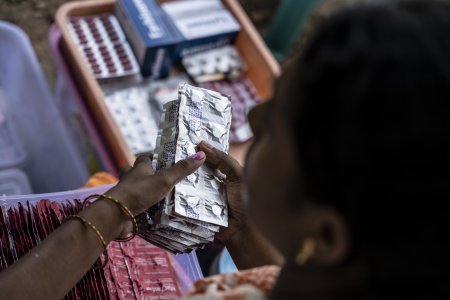
On 3rd and 4th February 2022, the CRASH organised a workshop aimed principally at the directors and operational managers of MSF Operational Centre Paris (OCP) to reflect on current debates, and to determine which elements of the discussion would be the most relevant to resolve to support the advancement of MSF OCP’s operational projects. Is access to medicines the same issue today as it was when MSF first became interested in the mid-1990s? Rather than just concentrating on the obstacles to accessing medicines, should the debate be broadened to encompass what are now called ‘health products’ or even further, towards access to care and thus largely structural problems of human resources, financing, or the absence of national health insurance policies?
 Aurelie Baumel/MSF
Cahier
Aurelie Baumel/MSF
Cahier
05/25/2023
Judith Soussan
Fabrice Weissman
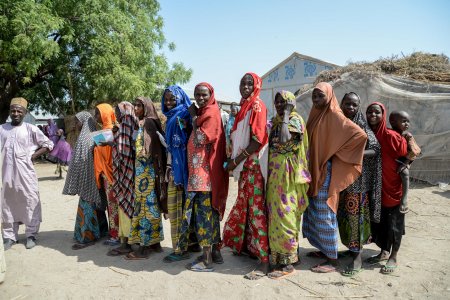
On 13 June 2016, Médecins Sans Frontières teams discovered with dismay the extent of the famine decimating civilian populations forcibly gathered by the army in towns in north-eastern Nigeria recaptured from Boko Haram. This disaster, known to the Nigerian authorities and United Nations agencies for several months already, had escaped the attention of MSF operational managers. Subsequently, MSF redoubled its efforts to help the starving people of Borno State, despite extreme insecurity. On 17 July, a team narrowly escaped death when the convoy in which they were travelling came under attack.
 Bryan Jaybee
Cahier
Bryan Jaybee
Cahier
06/09/2020
Xavier Plaisancié
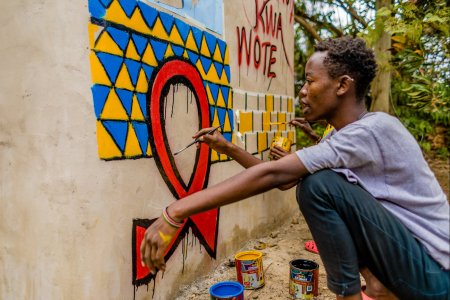
This study, conducted among the men of Homa Bay in Nyanza Province, Kenya, assesses the representations of HIV and impact on care seeking. It reveals that simply setting up a testing or care campaign does not necessarily mean that the entire population will participate; the message has to be tailored to the target population and fine-tuned even within that population.
 Colin Delfosse
Cahier
Colin Delfosse
Cahier
05/02/2017
Rony Brauman
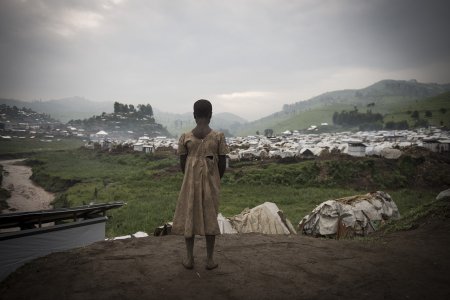
Ce cahier présente les discussions qui ont eu lieu à MSF dans le cadre d'une journée de réflexion portant sur les stratégies de sortie, en s'appuyant sur trois projets: Rutshuru, Chiradzulu et Port Harcourt.
 Anna Surinyach
Cahier
Anna Surinyach
Cahier
01/01/2017
Rony Brauman
Michèle Beck
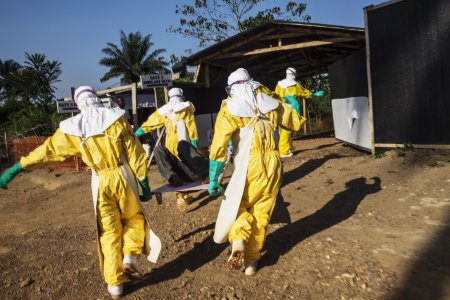
The question of quality in the work of Médecins Sans Frontières has been asked from the very beginning of MSF's existence. On the one hand, the issue of improving the quality of practice is a part of ordinary professional activity; on the other hand, Médecins Sans Frontières' work involved working in distant lands and very specific environments, which demanded adjustments to medical practice as a result.
 William Daniels
Cahier
William Daniels
Cahier
10/02/2012
Marc Le Pape
Suzanne Bradol
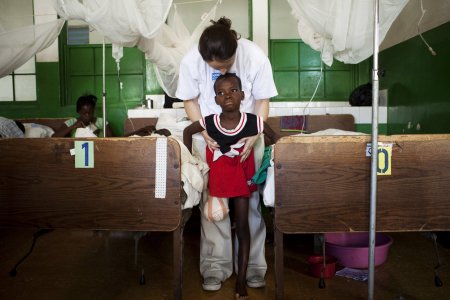
Our survey bears something of a resemblance to a study carried out by Vanja Kovacic in Homa Bay, Kenya, in which she investigated patients’ disease coping mechanisms and their “dependence on medical institutions”.
 Nick Owen
Cahier
Nick Owen
Cahier
01/10/2010
Jean-Hervé Jézéquel
Camille Perreand
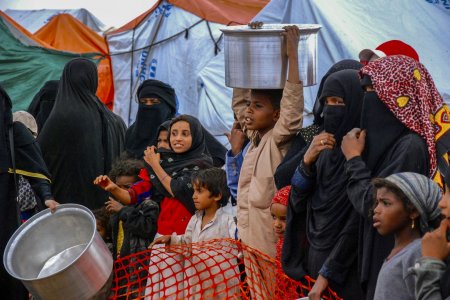
This study started out looking at the shift to a post-conflict situation in Katanga; the intention was to describe how MSF’s sections negotiated the transition from war to post-war.
 Francesco Segoni
Cahier
Francesco Segoni
Cahier
12/20/2009
Jean-Hervé Bradol
Jean-Hervé Jézéquel
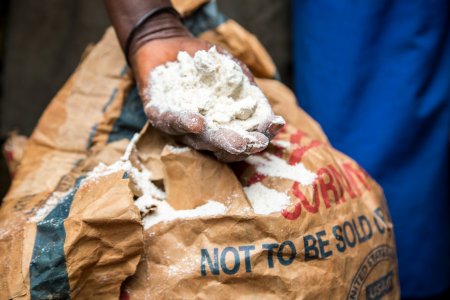
Four years after the Nigerian crisis, many things have changed in the nutrition field. This Cahier du Crash aims at considering this evolution and explore new possibilities for action for MSF.
 Louise Annaud
Cahier
Louise Annaud
Cahier
05/15/2008
François Enten
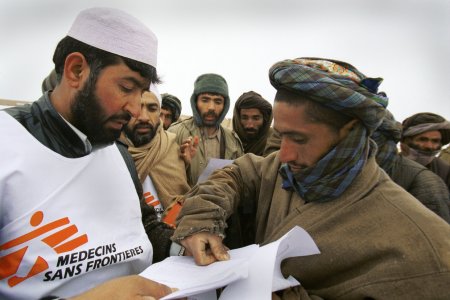
This study sheds light on the mechanisms producing the official data used by humanitarian aid decision makers. It views Early Warning Systems (EWS) as tools that facilitate consensus between the decision-makers involved in the allocation of food aid, enabling them to reach institutional agreements.
 Tim Dirven
Cahier
Tim Dirven
Cahier
04/01/2008
Judith Soussan
To embark upon a study of this theme is to enter a field strewn with contradictory representations linked to a highly sensitive issue – the limits of our responsibility – that has generated endless disagreements and debates on our “identity” and the existence or nonexistence of a role for MSF “beyond care”.