

Representations of HIV and impact on care seeking among the men of Homa Bay, Kenya
Xavier Plaisancié

Xavier Plaisancie is the Director of Studies at the CRASH. He is a medical doctor specialized in tropical medicine and holds a degree in medical anthropology from the École des Hautes Études en Sciences Sociales (EHESS). He began working with Médecins Sans Frontières (MSF) in 2016 on improving access to HIV care for men in Homa Bay, Kenya. In 2019, he served as a palliative care physician in Mali and conducted research on the experiences of women affected by breast and cervical cancer. He later worked in Kinshasa, Democratic Republic of Congo, as a physician in a ward dedicated to patients living with advanced HIV/AIDS. In 2023, he carried out research on palliative care practices within an MSF cancer care project in Malawi. His research interests include humanitarian medicine, palliative care, and person-centered care in crisis settings.
 Isabel Corthier
Cahier
Isabel Corthier
Cahier
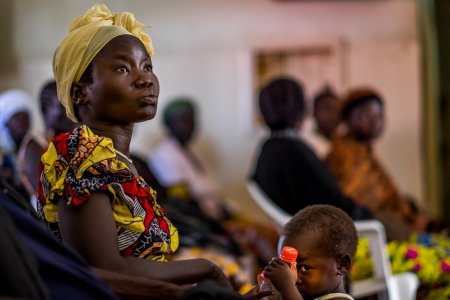
AIDS: A new pandemic leading to new medical and political practices
12/15/2011It seemed appropriate to assemble these texts now, at a time when the history of our AIDS missions is compelling us to formulate new goals.
 Brendan Bannon
Opinion
Brendan Bannon
Opinion
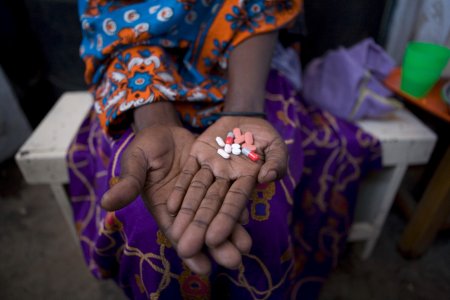
Sida, des traitements pour tous, vite
09/01/2008Le nombre de malades sous traitements augmente rapidement constate Rony Brauman qui expose les progrés de ces dernières années et détaille les raisons supplémentaires de poursuivre dans ce sens.
 Olga Victorie
Opinion
Olga Victorie
Opinion
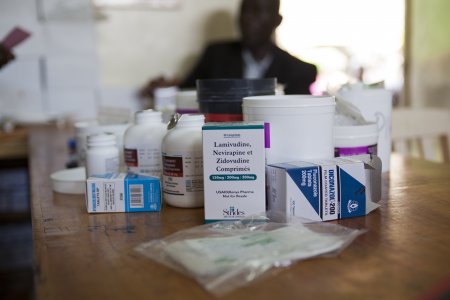
Le SIDA, maladie d’Etat
01/01/2004Rony Brauman analyse la dimension politique de l'épidémie de Sida.
To cite this content :
Xavier Plaisancié, Representations of HIV and impact on care seeking among the men of Homa Bay, Kenya, 9 juin 2020, URL : https://msf-crash.org/en/medicine-and-public-health/representations-hiv-and-impact-care-seeking-among-men-homa-bay-kenya
If you would like to comment on this article, you can find us on social media or contact us here:
Contribute