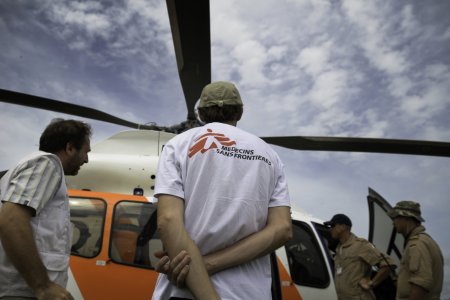
 Robin Meldrum/MSF
Analysis
Robin Meldrum/MSF
Analysis
11/22/2019
Fabrice Weissman
This article discusses the policy of absolute secrecy on abductions adopted by aid organisations. It argues that the information blackout on past and current cases is to a large extent a function of the growing role of private security companies in the aid sector, which promote a ‘pay, don’t say’ policy as a default option, whatever the situation. The article contends that secrecy is as much an impediment to resolving current cases as it is to preventing and managing future ones. It suggests abandoning the policy of strict confidentiality in all circumstances – a policy that is as dangerous as it is easy to apply – in favour of a more nuanced and challenging approach determining how much to publicise ongoing and past cases for each audience, always keeping in mind the interests of current and potential hostages.
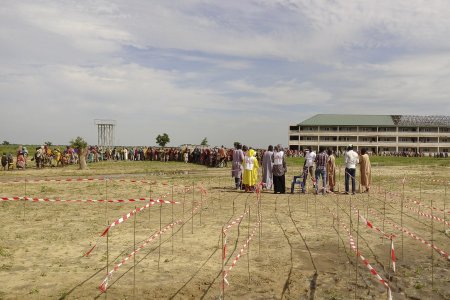 Shaista Aziz/MSF
Interview
Shaista Aziz/MSF
Interview
07/01/2019
Isabelle Defourny
Elba Rahmouni
In 2016, the Operations Department commissioned a critical review of the operations carried out between 2015 and 2016 in Borno State by MSF France in the north east of Nigeria. In response, and with the help of Epicentre, Judith Soussan and Fabrice Weissman from CRASH produced a detailed historical account of the analyses made of the situation by the teams, capital and headquarters at the time, as well as the objectives they set themselves, the actions they undertook, the obstacles they encountered and the results they achieved. As part of this project, some of the directors and operations managers who had been involved in these operations took a retrospective look at their own practices: were they late in responding to the catastrophic situation in the IDP camps in rural areas and on the outskirts of Maiduguri, the capital of Borno State, in 2016 and, if so, why? What conclusions can be drawn a posteriori about the operational choices made and the effectiveness of MSF intervention strategies? And, to take things a step further, what does this experience teach us about how MSF functions and how our teams work? Interview with Isabelle Defourny, Operations Director at MSF-OCP. By Elba Rahmouni.
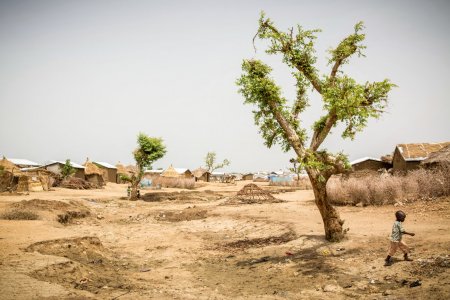 Louise Annaud
Interview
Louise Annaud
Interview
12/15/2017
Rony Brauman
Interviewé par Le Monde Afrique, Rony Brauman préconise de tenir compte des disparités sur le terrain pour mieux aider les populations.
 Florian Lems
Video
Florian Lems
Video
11/10/2016
Michaël Neuman
Fabrice Weissman
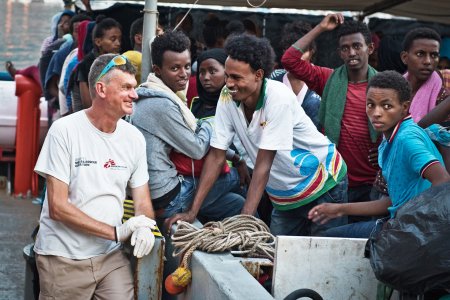
Fabrice Weissman, directeur d'études à MSF-Crash, présente le livre "Secourir sans périr. La sécurité humanitaire à l'ère de la gestion des risques", co-dirigé avec Michaël Neuman (CNRS, 2016).
 Sara Creta
Video
Sara Creta
Video
07/26/2016
Michaël Neuman
Fabrice Weissman
In recent years, fear-mongering reports based on hard data have been describing a world of ever-increasing danger for aid workers. The book "Saving lives and staying alive" explores this observation and compares it with MSF's experience of working in particularly dangerous regions.
Florian Lems
Video
06/30/2016
Fabrice Weissman
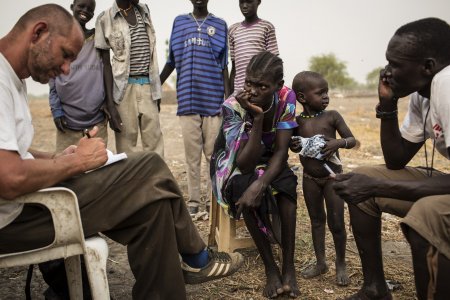
Fabrice Weissman, directeur d'études au Crash, co-auteur de "Secourir sans périr" (CNRS Editions, 2016), répond aux questions de l'Institut de Relations Internationales et Stratégiques (IRIS).
 Siegfried Modola
Articles and blog
Siegfried Modola
Articles and blog
05/12/2016
Michaël Neuman
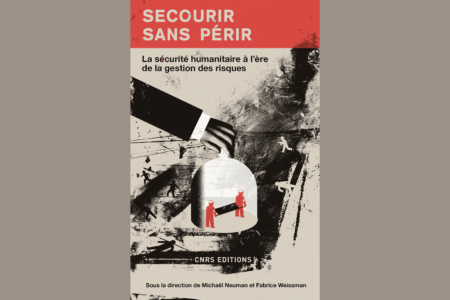
In "Saving Lives and Staying Alive: Humanitarian Security in the Age of Risk Management" Michaël Neuman and his colleague Fabrice Weissman analyze some of the drivers of professionalization in the context of humanitarian security and its subsequent impact on humanitarian practices through a collection of MSF case studies.
 Book
Book
03/29/2016
Michaël Neuman
Fabrice Weissman
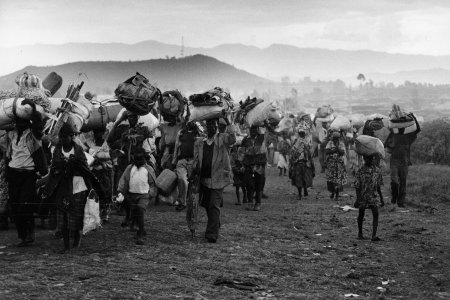
When MSF nurse Chantal Kaghoma regained her freedom in August 2014 after being held hostage for thirteen months by rebel group ADF in the DRC, she said, “While I was in prison with all the other hostages, I had lost all faith in everyone"
 Remco Bohle
Speaking Out Case Studies
Remco Bohle
Speaking Out Case Studies
04/03/2014
Laurence Binet
The ‘Hunting and killings of the Rwandan refugee in Zaire/Congo' case study is describing the constraints and dilemmas faced by Médecins Sans Frontières' teams in 1996 and 1995 when trying to bring assistance to the Rwandan refugees in Eastern Zaire.
 David Di Lorenzo
Video
David Di Lorenzo
Video
04/03/2013
Fabrice Weissman
On the occasion of the 150th anniversary of the ICRC (1863-2013) and in light of the recently launched issue of the Review on "The future of humanitarian action", the Harvard Program on Humanitarian Policy and Conflict Research (HPCR) and the International Review of the Red Cross are pleased to co-host a Live Web Seminar on the topic: "Perspectives on the Future of Humanitarian Action"...
 Pierre-Yves Bernard
Opinion
Pierre-Yves Bernard
Opinion
03/19/2013
Fabrice Weissman
Marie-Noëlle Rodrigue
While European Union members are debating the lifting of arms embargo on Syria, populations living in opposition held territories continue to be severed from desperately needed humanitarian aid. Yet, there is a controversy among aid agencies on the best ways to scale up relief activities in Syria.
 MSF-SPAIN
Op-ed
MSF-SPAIN
Op-ed
02/05/2013
Marie-Pierre Allié
Fabrice Weissman
Les bailleurs de fonds doivent se rencontrer le 30 janvier à Koweït City pour réunir 1,5 milliard de dollars au titre de l'aide humanitaire pour les victimes du conflit syrien. Jusqu'à présent, l'essentiel de l'aide internationale est distribuée depuis Damas par le Comité international de la Croix-Rouge, les agences des Nations unies et huit ONG internationales.