 Analysis
07/03/2014
Rony Brauman
Michaël Neuman
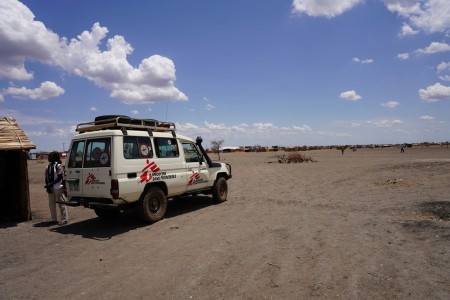
We often hear it said within MSF that the aid system is unable to provide effective relief, or that the aid system’s ability to provide aid is in decline. These statements, which suggest that MSF is itself outside the "system", are based on the very real number of people in relief operations who need help but do not receive it, or do not receive enough of it.
 Spencer Platt
Analysis
Spencer Platt
Analysis
07/03/2014
Michaël Neuman
Rony Brauman
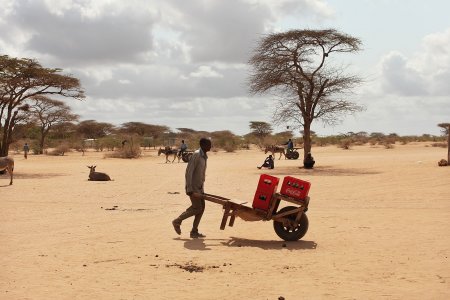
We often hear it said within MSF that the aid system is unable to provide effective relief, or that the aid system's ability to provide aid is in decline. Rony Brauman and Michaël Neuman aim at exploring MSF's relationship with the aid system, while showing how the ambitions of the aid system itself have evolved.
 Giuseppe La Rosa/MSF
Interview
Giuseppe La Rosa/MSF
Interview
02/17/2012
Rony Brauman
Claudine Vidal
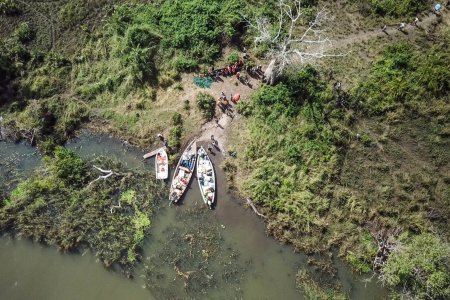
In this interview conducted by Claudine Vidal in 2012 and published in the book Agir à Tout Prix (Humanitarian Negotiations Revealed: the MSF experience), Rony Brauman speaks about emergency humanitarian aid set up following natural disasters. Time constraints, access to victims, cooperation with local institutions, misleading representations of the disasters' effects, controversial assessments of the number of casualties; various topics related to these interventions are discussed and illustrated with specific examples.
 Jean-Marc Jacobs
Opinion
Jean-Marc Jacobs
Opinion
08/30/2010
Fabrice Weissman
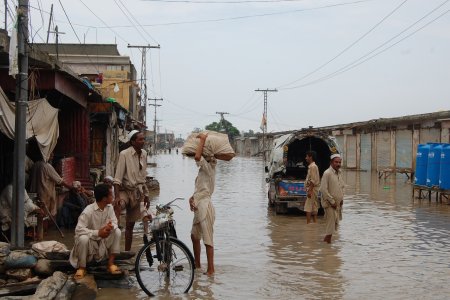
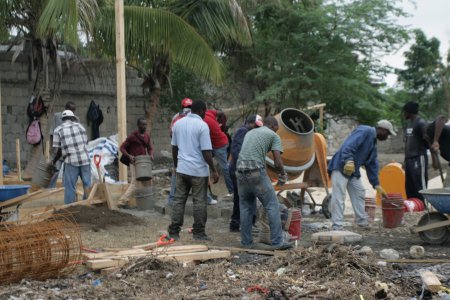
Comparés aux survivants du Tsunami ou du tremblement de terre à Haïti, les rescapés des moussons torrentielles qui se sont abattues sur le Pakistan font moins recette.
 Karel Marsalek
Opinion
Karel Marsalek
Opinion
03/16/2010
Rony Brauman
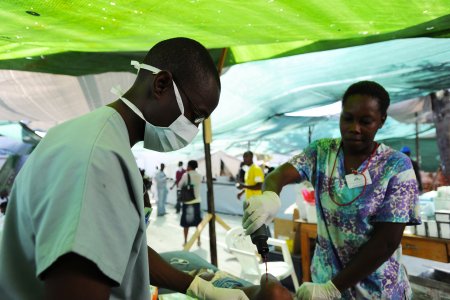
Dans cette chronique d'Alternatives Internationales, Rony Brauman souligne que le séisme de Port-au-Prince de janvier 2010 est d'une ampleur sans précédent et qu'en dépit de la confusion initiale des secours, ceux-ci ont été bien orientés. Il estime que, quelle que soit la défaillance de l'Etat haïtien, c'est d'Haïti que devra être conduite la reconstruction.
 Julie Remy
Analysis
Julie Remy
Analysis
03/16/2010
Jean-Hervé Bradol
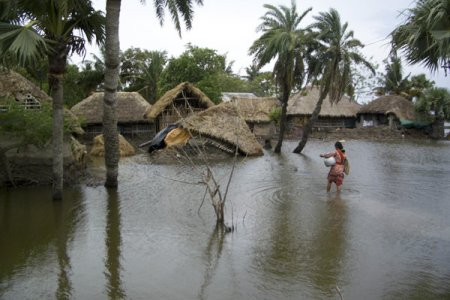
Emotions generated by the brutal and murderous character of a natural disaster are not calmed by the feeling that the victims bear a certain responsibility for the origins of the drama.
 Veronique Terrasse
Opinion
Veronique Terrasse
Opinion
04/28/2009
Rony Brauman
Le cyclone Nargis qui a touché la Birmanie en 2008 a donné lieu à des réactions internationales relevant de la « diplomatie de la catastrophe ». Mais l'élément marquant fut la dissonance entre les images du terrain et le discours médiatique.
 Sylvain Cherkaoui
Analysis
Sylvain Cherkaoui
Analysis
01/01/2009
Rony Brauman
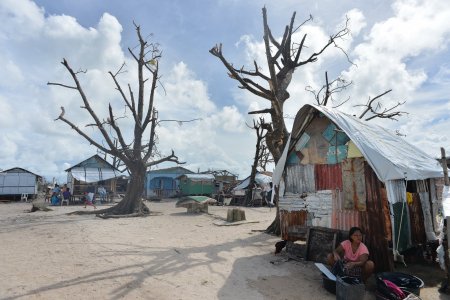
Certaines catastrophes soulèvent moins d'émotions que d'autres, et les vies de ces victimes sont tout aussi précieuses à sauver. L'institution humanitaire sert à pallier cette diversité des émotions.
 Julie Remy
Analysis
Julie Remy
Analysis
05/01/2008
Fabrice Weissman
Fabrice Weissman déconstruit les principaux mythes propagés lors du tsunami en Asie du sud-est et attire notre attention sur les responsabilités réelles qui incombent aux organismes de secours.
 Larry Towell
Analysis
Larry Towell
Analysis
11/21/2006
Rony Brauman
Rony Brauman reviews the myths and mechanisms governing the deployment of international aid following the Southeast Asian tsunami in December 2004.
 Michael Goldfarb
Opinion
Michael Goldfarb
Opinion
10/01/2005
Rony Brauman
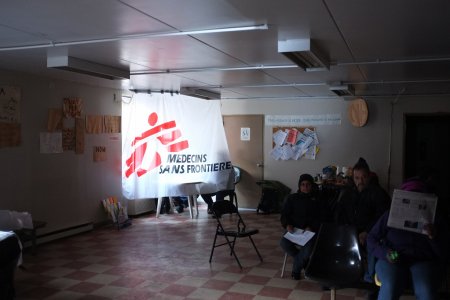
Rony Brauman revient sur la gestion, par l'administration Bush, des dégâts causés par le cyclone Katrina aux Etats-Unis.
 Jean-Christophe Nougaret
Analysis
Jean-Christophe Nougaret
Analysis
04/12/2005
Rony Brauman
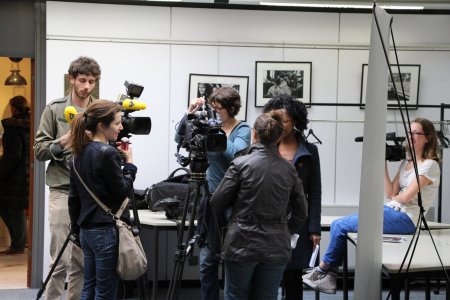
Rony Brauman et Guillaume Kopp, chef de mission au Sri Lanka en 2005 pour Action contre la faim, témoignent et répondent au « club politique autrement » sur la place des associations d'aide ou des institutions intergouvernementales lors du tsunami de 2004.