 Opinion
Military humanitarism: a deadly confusion
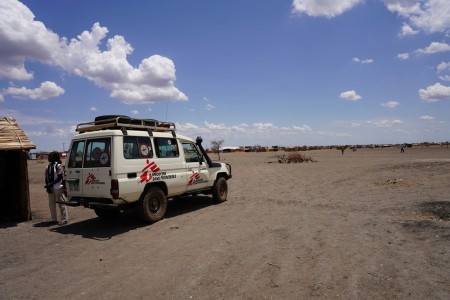
08/16/2004Fabrice Weissman reminds us that while the clarity of the humanitarian emblem is no guarantee of absolute safety, it is nevertheless an essential prerequisite to it.
 Opinion
Fabrice Weissman reminds us that while the clarity of the humanitarian emblem is no guarantee of absolute safety, it is nevertheless an essential prerequisite to it.
Analysis
Using the example of Liberia, Fabrice Weissman examines the public statements of NGOs and their positions with regard to denunciation and/or calls for international intervention.
 Book
Book
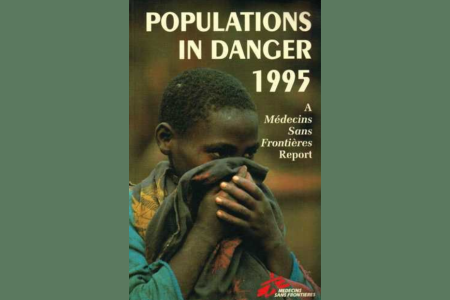
« Never again »: in the wake of the second World War, the terror caused by the Holocaust led the community of states to condemn genocide as a crime and to create a new international organization, the United Nations. And yet, half a century later, the international community did nothing to prevent the first undeniable genocide since that of the Jews: it let the massacre of the Rwandan Tutsis and merely sent humanitarian aid, even though it was nearly over.
 MSF-Crash
Book
MSF-Crash
Book
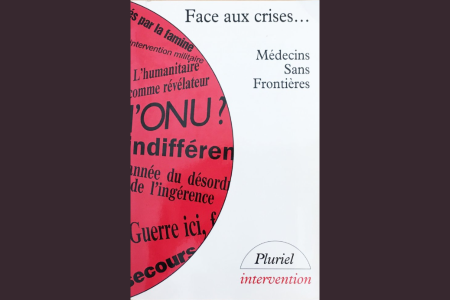
Irak, Somalie, Bosnie, Cambodge, El Salvador... jamais la communauté internationale, sous l'égide des Nations unies, n'a été autant sollicitée pour intervenir sur les principaux terrains de crises. 75 000 casques bleus sont aujourdh'ui engagés dans des opérations de maintien de la paix.
 MSF-Crash
Book
MSF-Crash
Book
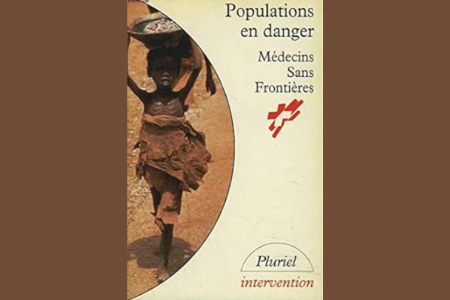
In the world today entire populations are at immediate risk of death from either famine, war, epidemics or displacement. The people of Southern Sudan, Somalia, the former Yugoslavia, Mozambique, Peru, Sri Lanka, Nagorno-Karabakh, as well as the Tuaregs, the Kurds and Burma's Moslems are those who face the most serious threats.
 Joffrey Monnier
Op-ed
Joffrey Monnier
Op-ed
Rony Brauman encourage les organisations humanitaires à garder leur indépendance de discours sur le terrain et à porter un regard critique sur leurs propres actions.