 Pierre Fromentin/MSF
A to Z
Pierre Fromentin/MSF
A to Z
09/01/2025
Rony Brauman
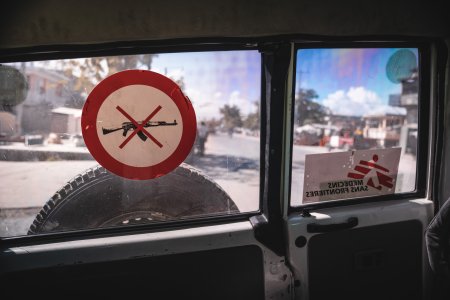
Caught between humanitarian commitment to vulnerable populations and security concerns, the issue of the use of armed escorts by humanitarian organisations raises some fraught questions. Médecins Sans Frontières has adopted this practice, controversial as it is, in a number of contexts throughout its history. Can we resort to this type of protection without compromising our neutrality? Are MSF's image and the very safety of its teams threatened by being so close to armed actors?
 Tim Dirven
Cahier
Tim Dirven
Cahier
04/01/2008
Judith Soussan
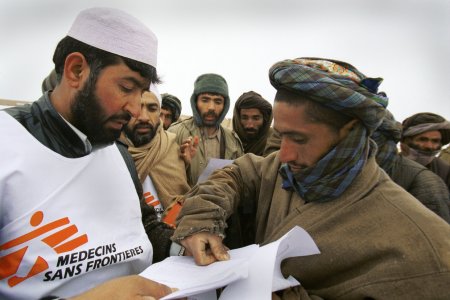
To embark upon a study of this theme is to enter a field strewn with contradictory representations linked to a highly sensitive issue – the limits of our responsibility – that has generated endless disagreements and debates on our “identity” and the existence or nonexistence of a role for MSF “beyond care”.
 MSF-Crash
Book
MSF-Crash
Book
11/01/1993
François Jean
Irak, Somalie, Bosnie, Cambodge, El Salvador... jamais la communauté internationale, sous l'égide des Nations unies, n'a été autant sollicitée pour intervenir sur les principaux terrains de crises. 75 000 casques bleus sont aujourdh'ui engagés dans des opérations de maintien de la paix.
 Yann Libessart
Analysis
Yann Libessart
Analysis
09/01/1993
Rony Brauman
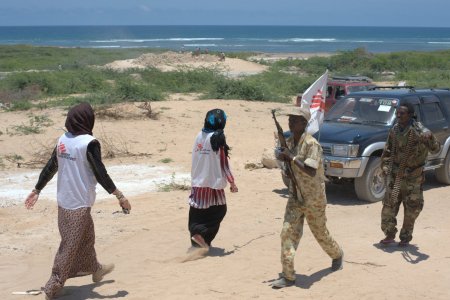
In 1993, Médecins Sans Frontières left Somalia and denounced the methods of UN troops who were violating the very humanitarian principles in whose name they intervened.
 MSF-Crash
Book
MSF-Crash
Book
12/01/1992
François Jean
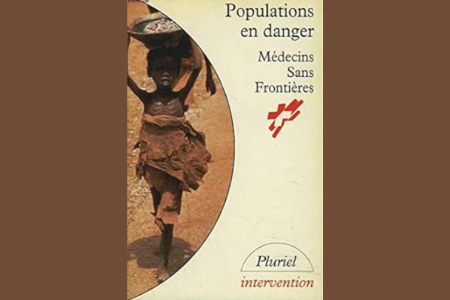
In the world today entire populations are at immediate risk of death from either famine, war, epidemics or displacement. The people of Southern Sudan, Somalia, the former Yugoslavia, Mozambique, Peru, Sri Lanka, Nagorno-Karabakh, as well as the Tuaregs, the Kurds and Burma's Moslems are those who face the most serious threats.