 Review
La violence au microscope
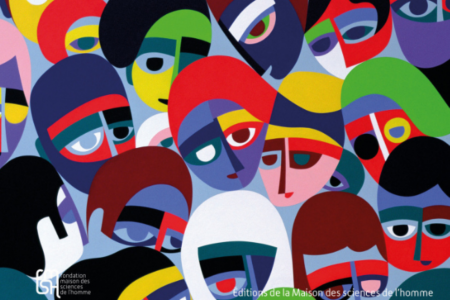
05/25/2022Cet article est une recension du livre Violences Extrêmes. Enquêter, secourir, juger écrite par Benoît Guillou et publiée le 13 mai 2022 dans la Revue Projet n°388 (juin-juillet 2022).
 Review
Cet article est une recension du livre Violences Extrêmes. Enquêter, secourir, juger écrite par Benoît Guillou et publiée le 13 mai 2022 dans la Revue Projet n°388 (juin-juillet 2022).
 News in brief
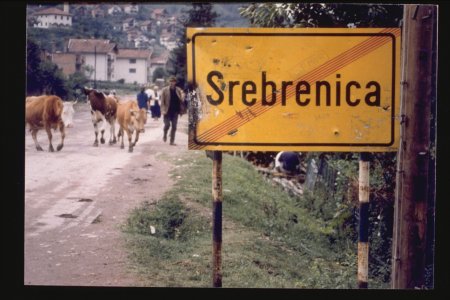
MSF releases in English, French and in Arabic the “MSF Speaking Out: Srebrenica” podcast based on the original MSF Speaking Out Case Study (SOCS) “MSF in Srebrenica, 1993 – 2003”.
 News in brief
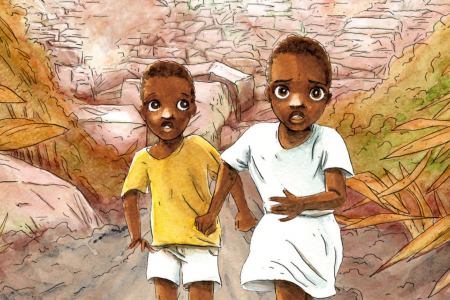
The comic book "Le Grand Voyage d'Alice" was drawn by Gaspard Talmasse and published by La boîte à bulles on November 17th. The preface of this comic book was written by Dr. Jean-Hervé Bradol, former president of MSF and director of studies at the Reflection center of MSF (MSF-Crash). The book won the MSF prize at the Carnet de voyages Festival in Clermont-Ferrand, held from November 19th to the 21st.
 Yves Ndjadi
Book
Yves Ndjadi
Book
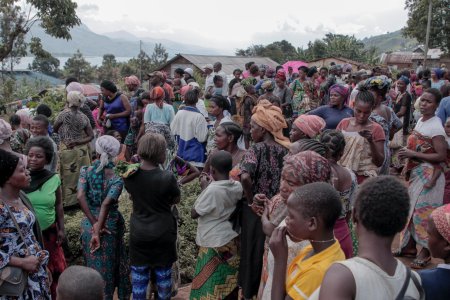
Over the last few years, Rwanda, the Democratic Republic of Congo (DRC) and Syria have been places where situations of extreme violence took place. As witnesses and investigators of such, the authors of this book shed light on three key-moments that marked these tragic episodes: the investigation, the intervention of emergency relief teams and the implementation of justice procedures leading to judgement.
 MSF/Europe 1 Studio
In the media
MSF/Europe 1 Studio
In the media
À l'occasion du 50ème anniversaire de Médecins Sans Frontières, l'association et Europe 1 Studio ont lancé un podcast de douze épisodes intitulé « Première ligne ». Ces épisodes permettent de revenir sur cinq décennies d’action humanitaire racontée par celles et ceux qui l’ont vécue.
Retour sur les épisodes avec Rony Brauman et Jean-Hervé Bradol, tous deux anciens présidents de MSF et membres actuels du CRASH.
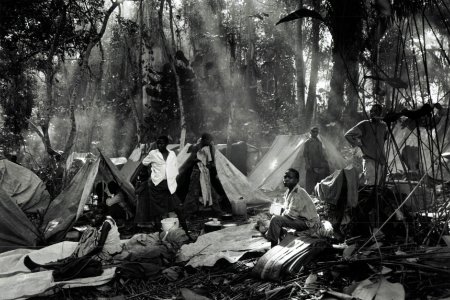 Sebastiao Salgado
Interview
Sebastiao Salgado
Interview
Il y a dix ans, le Haut-commissariat des Nations Unies aux Droits de l’Homme publiait son rapport Mapping sur les crimes les plus graves commis en République démocratique du Congo (RDC) entre 1993 et 2003. Dans cette interview paru dans l'Humanité le 6 octobre, Jean Hervé Bradol parle de l'expérience MSF, notamment des conséquences de la fermeture des camps de réfugiés rwandais en RDC. par une offensive des rebelles congolais de l’époque.
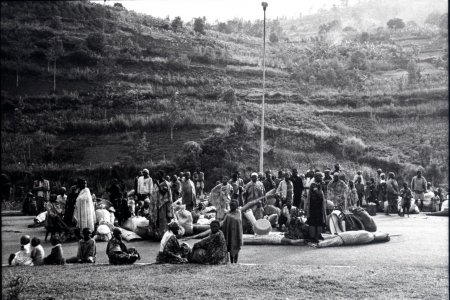 Xavier Lassalle/MSF
Analysis
Xavier Lassalle/MSF
Analysis
Un ouvrage propose une synthèse sur le génocide des Tutsis en 1994, depuis le début de la guerre jusqu’à la mise en place de la politique mémorielle. Au-delà, il retrace l’histoire du Rwanda sur le temps long du XXe siècle, en insistant sur les constructions coloniales et ethniques.
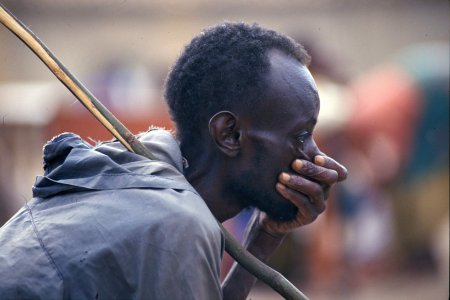 Roger Job
Conference
Roger Job
Conference
The CRASH team invited you to the screening-debate “France in Rwanda. Guilty neutrality” on Monday 11th of February 2019 from 6 to 8pm, in the 1rst floor room of the 8 rue Saint-Sabin. A documentary film by Robert Genoud and Claudine Vidal (Director Emeritus for research at the CNRS, member of the CRASH scientific committee at MSF), and produced by EUP. Before and after the screening, Claudine Vidal and Jean-Hervé Bradol, both actors of MSF mobilization between 1994 and 1998 launched the discussion.
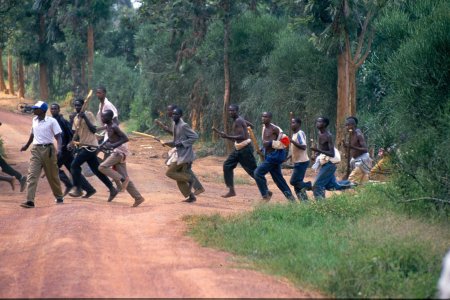 Roger Job
Review
Roger Job
Review
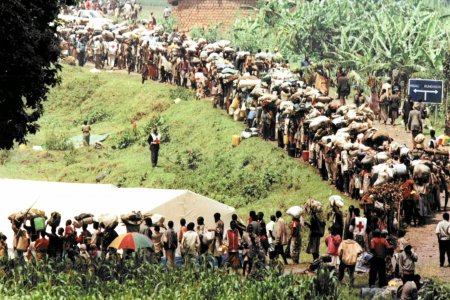
Although much has been written about the 1994 genocide in Rwanda, two recent volumes offer fresh perspectives and add considerable insights. Guichaoua’s From War to Genocide: Criminal Politics in Rwanda 1990–1994 takes the reader deep into the belly of the beast. The book describes and analyzes the real politics of the politics of genocide based on extraordinary detailed evidence with respect to the strategies and tactics of key military and political players. Bradol and Le Pape’s Humanitarian Aid, Genocide and Mass Killings: Médecins Sans Frontières, The Rwandan Experience, 1982–97 offers a unique understanding of the consequences of this murderous political game from the point of view of humanitarian aid workers in general and the NGO Doctors Without Borders (Médecins Sans Frontières – MSF) in particular.
 John Parkin
Opinion
John Parkin
Opinion
Published in March 2018, Judi Rever’s investigative work, In Praise of Blood, quickly garnered international attention. It is an indictment of both the Rwandan patriotic front (RPF) and its leader, current Rwandan president Paul Kagame, and foreign governments and international institutions – the International Criminal Tribunal for Rwanda (ICTR), in particular – that allowed crimes committed against Hutu civilians to go unpunished.Judi Rever’s book is more than a work of investigation. It reads like a prosecutor’s closing argument: the massacres are described in such a way as to classify them as genocide. And it is precisely this combination of investigation and the pursuit of evidence that would stand up in a court of law that is problematic.
 Xavier Lassalle/MSF
Opinion
Xavier Lassalle/MSF
Opinion
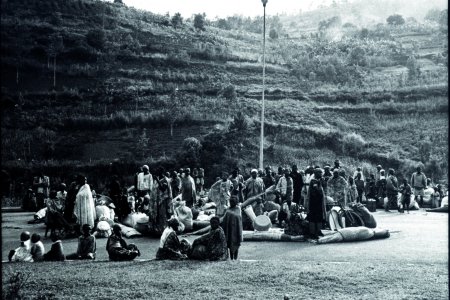
The publication of the journalist Judi Rever’s book, In Praise of Blood, on the crimes committed by the Rwandan Patriotic Front’s armed rebellion has rekindled discussion over the existence of a “double genocide”, one committed against the Tutsis under the orders of Rwanda’s interim government which took power in April 1994 following the assassination of President Habyarimana, and the other against the Hutus by the Rwandan Patriotic Front (RPF) which seized power in July 1994. There is little or no controversy about the reality of the genocide of the Tutsis in the world of Rwandan studies, but the claim that the Hutus were in turn victims of genocide sparks reactions as violent as they are confused. The cause of this confusion can be found in the different definitions of a term used in at least three fields: history, law and politics.
 Review
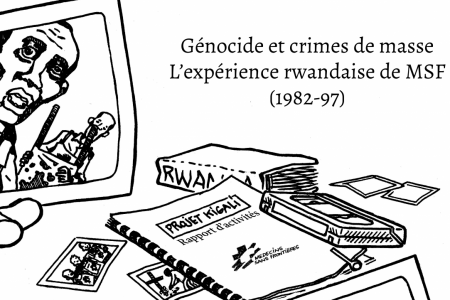
Voici une recension du livre de Jean-Hervé Bradol et Marc Le Pape, Génocide et crimes de masse. L'expérience rwandaise de MSF 1982-1997 (CNRS éditions, 2017), rédigée par Clara Egger dans la Revue française de science politique en avril 2018.