Alexandre Marcou/MSF
A to Z

Acceptance: Beware Danger!

06/29/2026

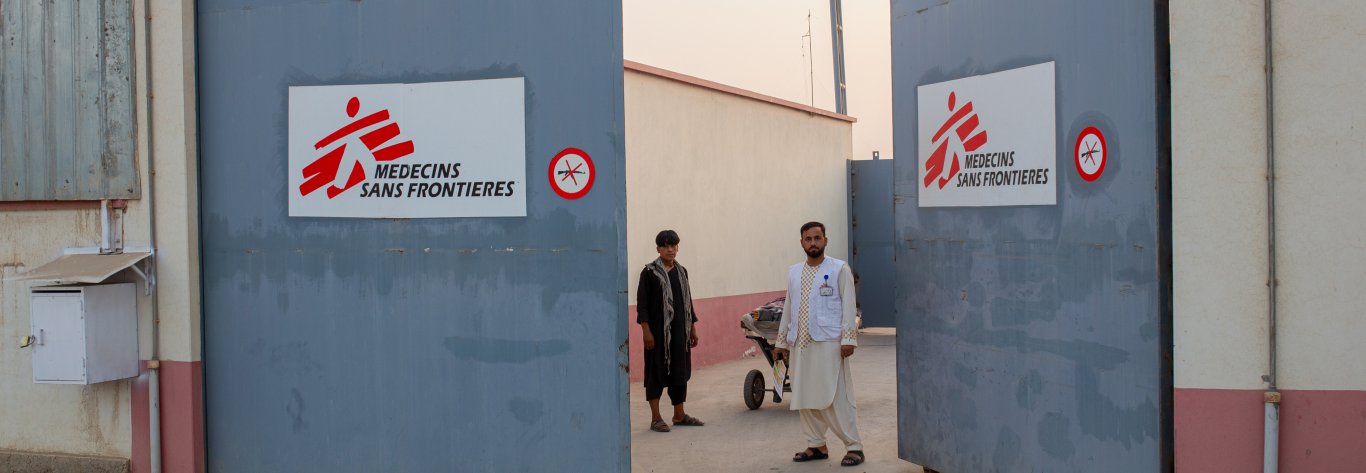
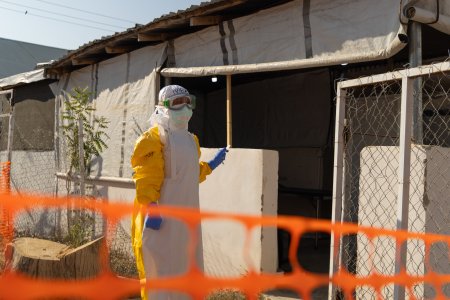
The term “acceptance” became part of the humanitarian vocabulary in the late 1990s, with the publication of the first manuals and training programs dedicated to the security management of aid operations. It refers to one of three strategies proposed to humanitarian actors to reduce risks in violent environments: using passive protection measures (helmets, bulletproof vests, armoured vehicles, fortified compounds, etc.), deterring potential attackers through local or international armed forces, or eliminating threats by earning everyone’s appreciation (acceptance). But how does one become appreciated, tolerated, and accepted? Two approaches coexist: one, political, emphasises the importance of caring for one’s friends; the other, marketing-oriented, emphasises the need to cultivate an image as a “principled organization”—neutral, independent, and impartial.  

MSF Gaza 3MSFOpinion

Who are the gravediggers of humanitarian law?

04/29/2026Rony Brauman

This article was initially published the 29th of April 2026, in the book « Gaza, un génocide colonial », by the author Colette Braeckman. Rony Brauman develops a critical reflection on the war crimes committed in Palestine, on the limits of humanitarian law as well as the complicity of Europe in the methodical erasure of Palestinians. 

Read more
Léa GillabertLéa GillabertAnalysis

When Aid Recedes: NGOs and Civil Society Organisations in the face of the Authoritarian Turn

04/24/2026Lucas FaureVéronique de GeoffroyMichaël NeumanRaphaëlle Parizet

In one year, according to the National Observatory of the Social and Solidarity Economy, the French civil society sector lost a total of 12,305 jobs. In the face of the global authoritarian shift towards restricting the activities of civil society organisations, there is a need for a collective response to restore solidarity as a foundational political principle. You may find the translated version of the article written by Lucas Faure, Véronique de Geoffroy, Michaël Neuman et Raphaëlle Parizet published the 24 April 2026 here.

Read more

Podcasts

see all podcasts
Podcast

Afghanistan: protecting our female staff

03/12/2025

Since the return to power of the Taliban in August 2021, the Islamic Emirate of Afghanistan (IEA) has introduced a whole series of measures drastically limiting women's rights, their freedom of movement, their access to work and education as well as their participation in political life. How has Médecins Sans Frontières reacted to these measures, which openly contradict its commitment to combating gender inequality in access to healthcare as well as in its own internal management?

Read more

Conferences

See all conferences
Faire la GuerreMaëlle Lefeuvre/MSFConference

Waging war for peace

05/05/2026 - 06:30 PM 08:30 PMSylvain Venayre

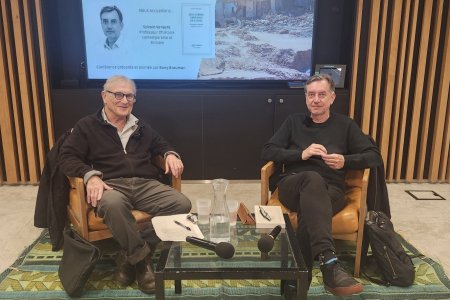
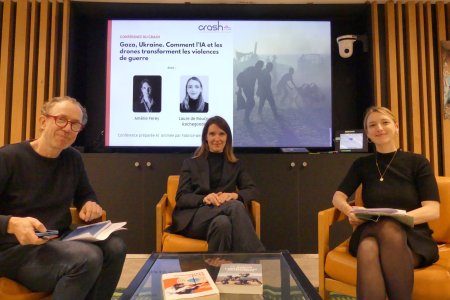
On Tuesday, May 5th, 2026, at the headquarters of MSF (14-34 avenue Jean Jaurès, 75019), the CRASH team was delighted to welcome Sylvain Venayre, professor of contemporary history and writer, for a conference on the distant wars of the 19th century and the debates they continue to spark today. This exchange was prepared and moderated by Rony Brauman. 

Read more
Conference MultilatéralismeMaëlle Lefeuvre/MSFConference

Why defend multilateralism?

03/24/2026 - 06:30 PM 08:30 PMMonique Chemillier-Gendreau

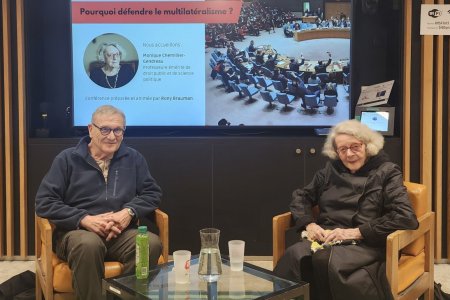
On Tuesday, March 24th, 2026, we had the pleasure of welcoming Monique Chemillier-Gendreau, Professor Emerita of Public Law and Political Science, for a conference devoted to multilateralism in the current geopolitical context. This event was prepared and presented by Rony Brauman. 

Read more

Dossiers

See all dossiers
Racisme et humanitaireIsabel CorthierDossier

Racism and Humanitarian Action

02/03/2022Elba RahmouniMarc Le Pape

This Crash dossier gathers a selection of Crash publications published over the last twenty years: all of them, in different manners, tackle the themes of racism and humanitarian action. They also evoke the way discussions about racism have been addressed at Médecins sans Frontières. 

Read more
Idomeni after the closing of the borderAlex Yallop/MSFDossier

Migrants / refugees

05/29/2018Elba Rahmouni

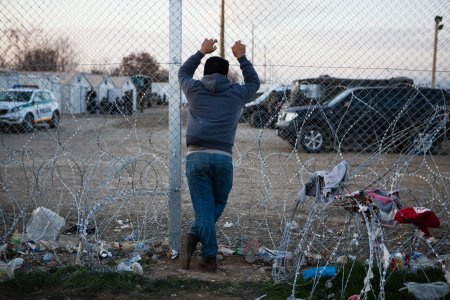
With the cold war over, refugees have lost their status as an instrument of western soft power, whereas with the economic crisis and terrorism, hostility towards migrants is increasing. Prevailing representations of migration movements are convincing a growing proportion of the European population that migrants are a threat and refugees a burden. This file contains a collection of publications (articles, opinion columns, blog articles, press releases, CRASH papers) from 1990 to date, focusing on two themes : 1° the dichotomy between hospitality policy and migration policy, 2° camps approached from a number of different angles.  

Read more

(Re)discover

épidémieIsaac Buay/MSFAnalysis

Acknowledging, characterising and declaring an epidemic

01/20/2026Emmanuel BaronJean-Hervé BradolElba Rahmouni

Declaring an epidemic is a major political and social issue capable of raising the crucial questions that could challenge the authorities’ legitimacy: have they correctly assessed the severity of the situation? On what basis have they declared an epidemic? Are they communicating in a timely manner? The experience that Médecins Sans Frontières has built up over the decades fighting epidemics seems to show that tackling the political and media crises that can accompany a health disaster means that an attempt must be made to answer these questions or, at least, not sidestep them.

Read more
Podcast

Gaza, four weeks in the heart of the apocalypse

08/18/2025

Back from Gaza, Jean-Guy Vataux gives a rare and harrowing account of the daily lives of Palestinians and rescue teams facing the Israeli army's "apocalypse strategy." He notably describes the perverse workings of a food rationing system designed to create chaos. This system has caused the deaths of hundreds of young Palestinians employed by shopkeepers to collect or loot food aid, while Israeli snipers enjoy shooting them in the back. The interview concludes with a chilling question: how can we respond to the Palestinians' call to flee this hell at any cost?

Read more